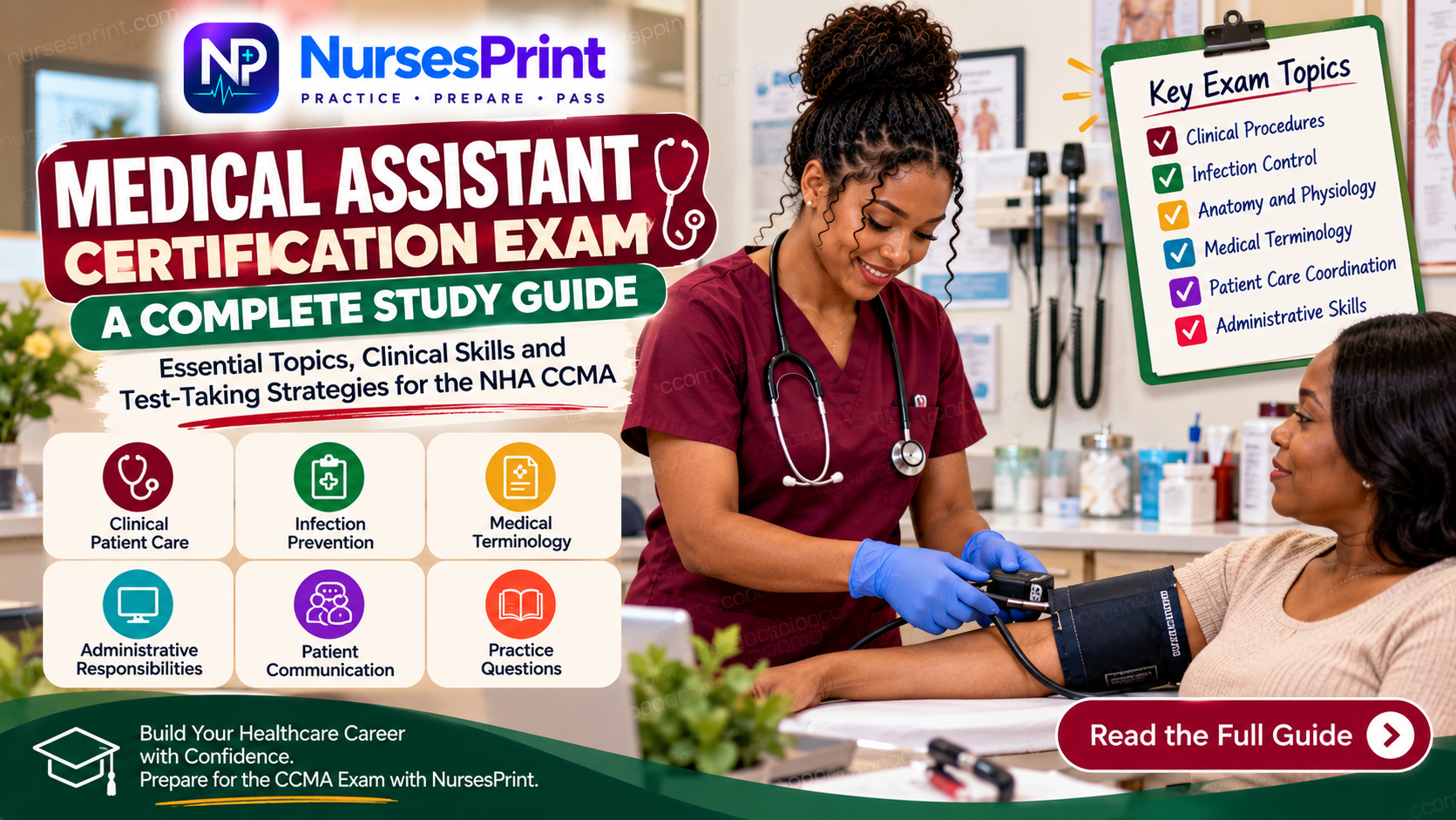
Becoming a certified medical assistant can open opportunities to work in clinics, physicians' offices and other healthcare settings. However, preparing for the medical assistant certification exam requires a strong understanding of clinical procedures, patient communication and healthcare responsibilities.
The National Healthcareer Association (NHA) offers the Certified Clinical Medical Assistant (CCMA) credential, which evaluates knowledge relevant to clinical medical assisting.
Whether you are completing a medical assistant training program or reviewing previously learned skills, effective preparation can help you approach the examination confidently.
Understand the NHA CCMA Exam
Before beginning your study plan, familiarize yourself with the CCMA examination content.
The assessment covers important areas such as clinical patient care, foundational healthcare knowledge, patient care coordination, administrative assisting and communication.
Review the current examination outline to identify the competencies you need to master.
The National Healthcareer Association provides official CCMA certification information and examination preparation resources.
Understanding the exam structure helps you organize your revision and focus on the appropriate subjects.
Build a Realistic CCMA Study Schedule
A structured study schedule makes it easier to cover multiple examination topics without feeling overwhelmed.
Begin by assessing your current knowledge.
Identify areas where you feel confident and topics that require additional revision.
Divide your preparation into manageable sessions covering clinical procedures, anatomy, medical terminology and administrative responsibilities.
Set aside time each week for practice questions.
Avoid spending all your preparation time on familiar subjects while neglecting challenging topics.
Strengthen Your Clinical Patient Care Knowledge
Clinical patient care is an essential part of medical assisting.
Review procedures such as obtaining vital signs, preparing patients for examinations and assisting healthcare professionals during clinical activities.
Understand the importance of patient identification and accurate documentation.
Practice recognizing situations that require reporting to a supervising healthcare professional.
When reviewing procedures, focus on the reasoning behind each step rather than memorizing instructions without understanding their purpose.
Review Infection Prevention and Safety
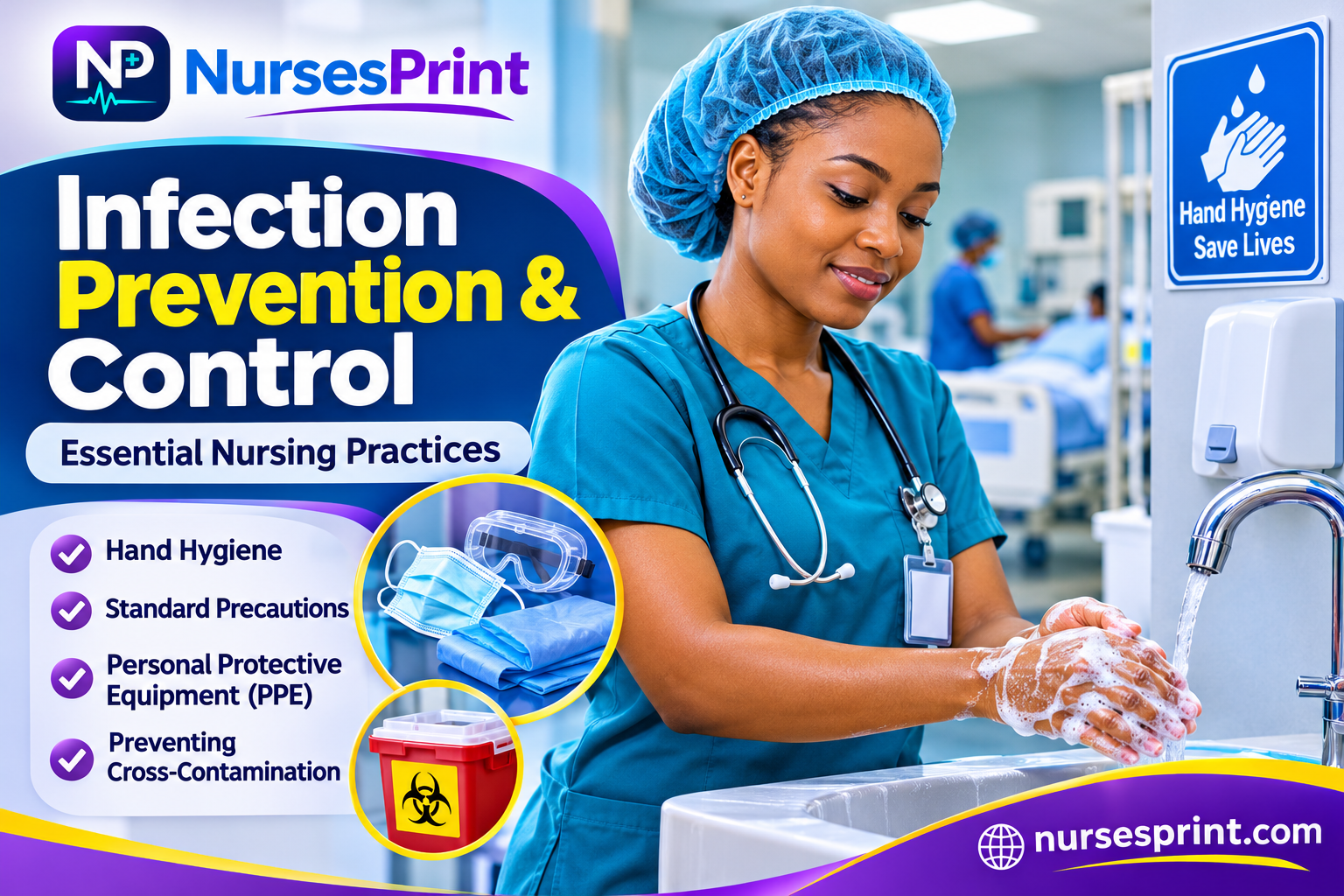
Infection prevention is essential in healthcare environments.
Medical assistants must understand appropriate hand hygiene, personal protective equipment and safe handling of potentially contaminated materials.
Review standard precautions and procedures for maintaining a clean clinical environment.
The Centers for Disease Control and Prevention provides authoritative information on infection prevention practices.
Understanding these principles helps you answer safety-related examination questions and develop responsible clinical habits.
Practice Medical Terminology and Anatomy
Medical terminology allows healthcare professionals to communicate accurately.
Review common prefixes, suffixes and root words.
Understanding how medical terms are constructed can help you interpret unfamiliar vocabulary.
Also revise the major body systems and their functions.
Use flashcards, labeled diagrams and short quizzes to reinforce your understanding.
Connect anatomical concepts to common clinical procedures whenever possible.
Understand Administrative Responsibilities
Medical assistants may perform administrative duties depending on their workplace and role.
These responsibilities can include appointment scheduling, patient record management and communication with healthcare teams.
Review professional communication, patient confidentiality and accurate documentation.
Understand why protecting sensitive patient information is important.
For examination scenarios, consider how administrative decisions affect patient safety, privacy and continuity of care.
Improve Your Test-Taking Skills With Practice Questions
Regular practice questions can help identify weaknesses and improve your understanding.
After completing a practice session, review every incorrect response.
Determine whether the error resulted from unfamiliar terminology, incomplete clinical knowledge or misunderstanding the question.
Keep a record of difficult topics and revisit them regularly.
Explore healthcare examination preparation resources through NursesPrint to support your study routine.
Use the official CCMA examination outline to ensure your preparation remains relevant.
Final Thoughts: Prepare for Your CCMA Exam With Confidence
Successful medical assistant certification preparation requires consistency, clinical understanding and attention to patient safety.
By reviewing essential procedures, strengthening medical terminology and practicing examination questions, you can improve your readiness.
Remember that certification eligibility and examination requirements should always be confirmed with the credentialing organization.
Ready to move forward in your healthcare career?
Visit NursesPrint for educational resources to support your examination preparation.
NursesPrint — Practice • Prepare • Pass